
LOCAL DRAIN SPECIALIST • DRAIN EXPERTS
Why Your Drain Keeps Clogging (And How to Fix It for Good)
If you’ve cleared the same sink, shower, or toilet more than once, you’re not dealing with bad luck. You’re dealing with an underlying drain issue. Here’s how to identify the real cause and stop repeat clogs.
Repeat clogs usually mean one thing: the problem isn’t being removed — it’s being temporarily pushed aside. Below are the most common causes we see in the East Bay, how to recognize them, and what to do next.
1) Buildup Inside the Pipe (Not a Single “Clog”)
Most recurring clogs are caused by layers of buildup narrowing the pipe over time: grease, soap scum, sludge, lint, and scale. A basic snake may punch a hole through the blockage, but it often doesn’t remove buildup on the pipe walls — so the drain clogs again.
2) Grease in Kitchen Drains (Even If You Don’t Pour Oil)
Grease sneaks into lines through everyday habits: rinsing oily pans, washing fatty foods off plates, and relying on hot water + soap (which only moves grease further until it cools and hardens).
- Bad odor from the sink
- Slow drain after doing dishes
- Clogs that return within weeks
- Professional drain clearing
- Hydro jetting for thick buildup
- Preventive maintenance plan (optional)
3) Hair + Soap Scum in Bathroom Drains
Bathroom clogs are usually a combo: hair catches, then soap scum and minerals build onto it like glue. If your shower drains slowly, this is often the culprit.
4) Root Intrusion in the Sewer Line
If multiple fixtures back up (toilets, tubs, floor drains), the issue may be in your main line. One of the biggest causes in the East Bay is tree roots entering through joints or cracks.
- Gurgling drains
- Sewage odors
- Backups after heavy water use
- Clogs returning quickly after being “cleared”
5) A Belly (Sag) in the Line
A “belly” is a low spot where the pipe dips and holds water. That standing water collects debris and causes repeat clogs no matter how often it’s snaked.
6) Cracked, Offset, or Collapsed Pipe Sections
Older sewer lines (clay or aging cast iron) can shift or deteriorate. Even a small offset joint can catch waste and paper, leading to frequent backups.
Avoid Chemical Drain Cleaners
Chemical drain cleaners can damage pipes (especially older plumbing), create unsafe conditions for technicians, and sometimes harden buildup into tougher blockages.
Bottom line: If it’s recurring, it needs diagnosis — not stronger chemicals.
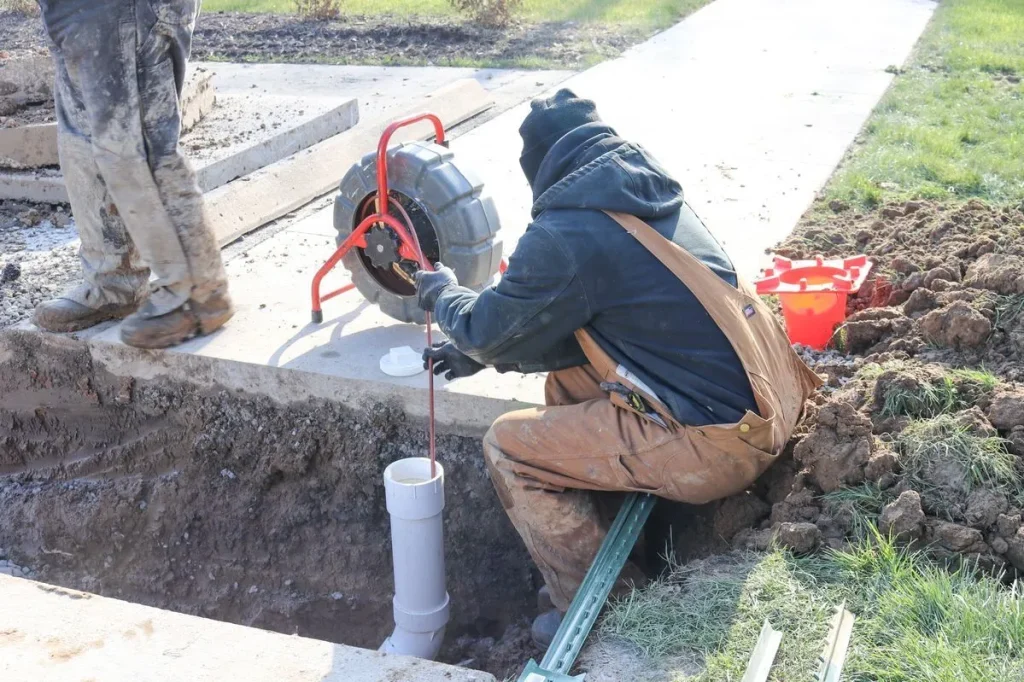
Camera Inspection: The Fastest Way to Know the Real Cause
A high-resolution camera inspection is the quickest way to stop guessing. It shows exactly what’s inside your line: buildup, roots, bellies, cracks, and the precise location of the problem.
- Where the clog is and what’s causing it
- Whether cleaning will solve it or repairs are needed
- Why the issue keeps returning